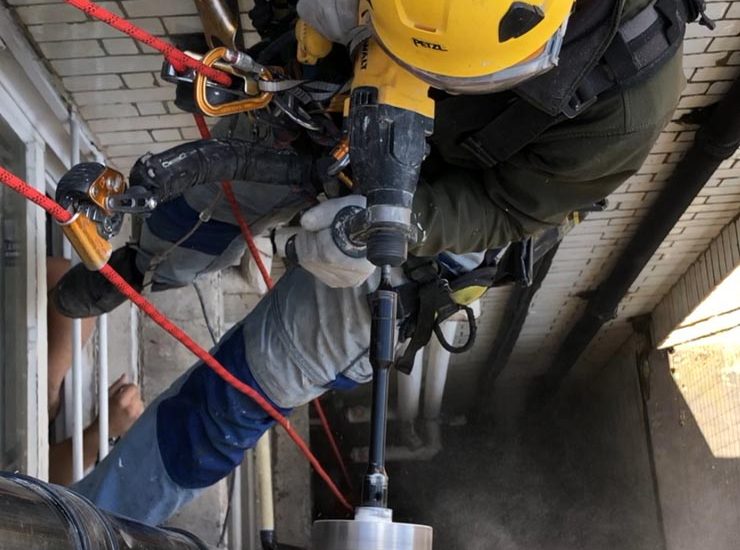
Small defects high on a building rarely stay small. A failed sealant joint lets water into the wall, a loose cladding fixing works itself free, and a blocked gutter overflows into the brickwork every time it rains. Regular building maintenance at height catches these problems while they are still cheap to fix. This checklist sets out what London property managers should look at, and how rope access makes it practical to look at all of it.
Is Rope Access Safe? How IRATA Technicians Work at Height
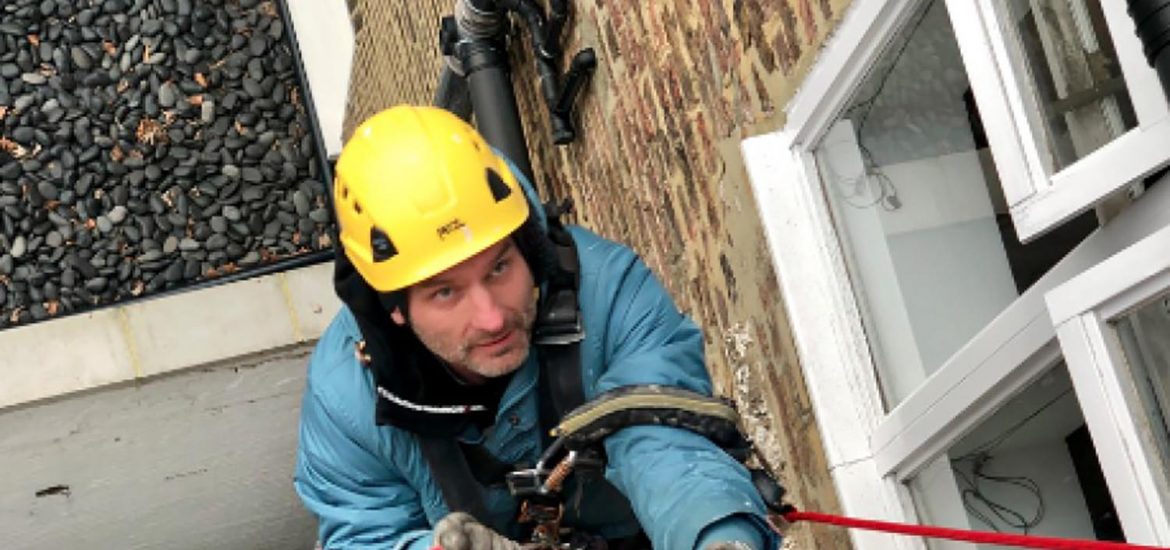
Seeing a technician abseil down the side of a tower block can look alarming. In reality, industrial rope access has one of the strongest safety records of any method of working at height. That record comes from a strict system of equipment, training and planning. This article explains how that system works, so building owners and managers know what to expect from a professional rope access contractor.
Rope Access vs Scaffolding: Which Is Right for Your Building?
When a building in London needs work on its facade, windows or roofline, the first question is usually how to reach it. For decades the default answer was scaffolding. Today, for a large share of jobs, rope access is the quicker, cheaper and less disruptive way to get skilled hands to the work. This guide explains how the two compare, and when each one is the right choice.